Showing posts with label expat. Show all posts

Saturday, January 10, 2015

Happy New Year

Hey, remember me? I know it's been quiet around here for the past two months but I thought I would pop back in to wish you a happy New Year and recap the awesomeness that was 2014.

January
The winter in Shanghai is chilly, making it perfect hot pot weather. But Shanghai apparently wasn't cold enough so we traveled to Harbin for the Snow and Ice Festival, where temperatures dipped down to negative 30. Brrrrr. While the ice was the main attraction, we also enjoyed the Russian cathedral and eating ice cream.

Harbin - Ice and Snow World

February
February started with an ill fated trip to Cambodia. The month improved though with the Lantern Festival and a Bean Valentine auction.

Lantern Festival in Xujiahui Park #cny

March
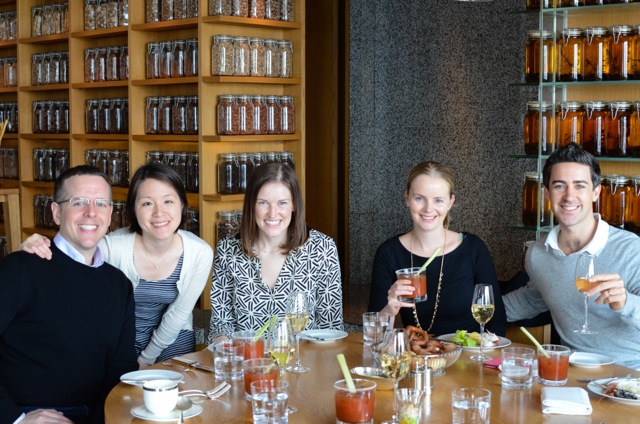
In March, I indulged in a decadent brunch at Vue and shared my feelings about being a housewife. I also found out I was born to be an expat.
DSC_5571.jpeg

April
I came clean about my addiction, attended the Formula One race and participated in the Jinqiao 8k. The highlight of the month was when I volunteered to teach English in rural Henan Province and visited the hometown of my childhood hero, Mulan.



May
May is my favorite month since it's the annual celebration of my parents blessing the world with their youngest child (that would be me). I celebrated the demise of my twenties dressed as a giant cat and also indulged in lots of dumplings. But May also sucked this year because it marked the beginning of an exodus of expat friends from Shanghai. At least May had lots of pretty flowers. And a weekend in Hong Kong.

IMG_3674.JPG

June
We spent a relaxing weekend in Moganshan with college friends where I realized I had become far too local and returned to America for a detox.


July
I was feeling a bit lazy from finally figuring out how to ride ride the bus, so I ran a Half Marathon in Inner Mongolia. Normal.

_MG_0313-169-140ffbc825cf7c5403920ea827f24c91.jpeg

August
August was hot and busy. I'm sure I did something interesting but all I can remember is attending Shanghai Supper Club.
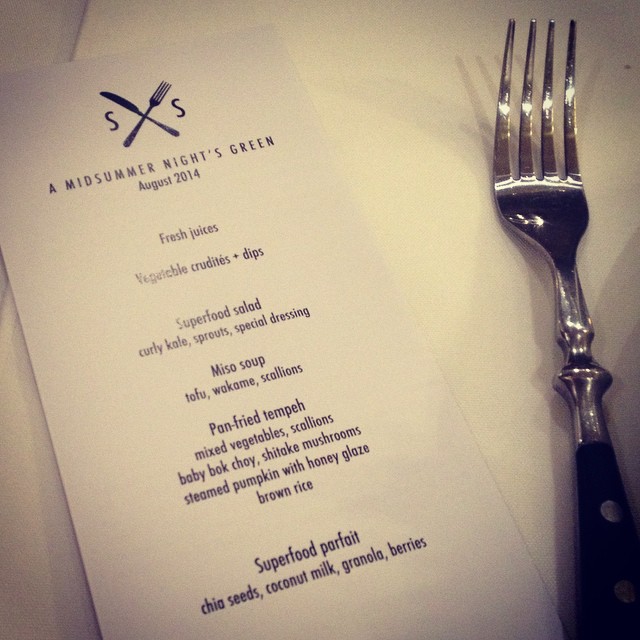
Tonight's special #shsupperclub #shanghaieats #fields

September
September was a month of travel with a hike up Huangshan, a weekend in Seoul, and a tour of Beijing with my sister.


October
I was a bad blogger this month but I did return to Cambodia. So there's that.


November
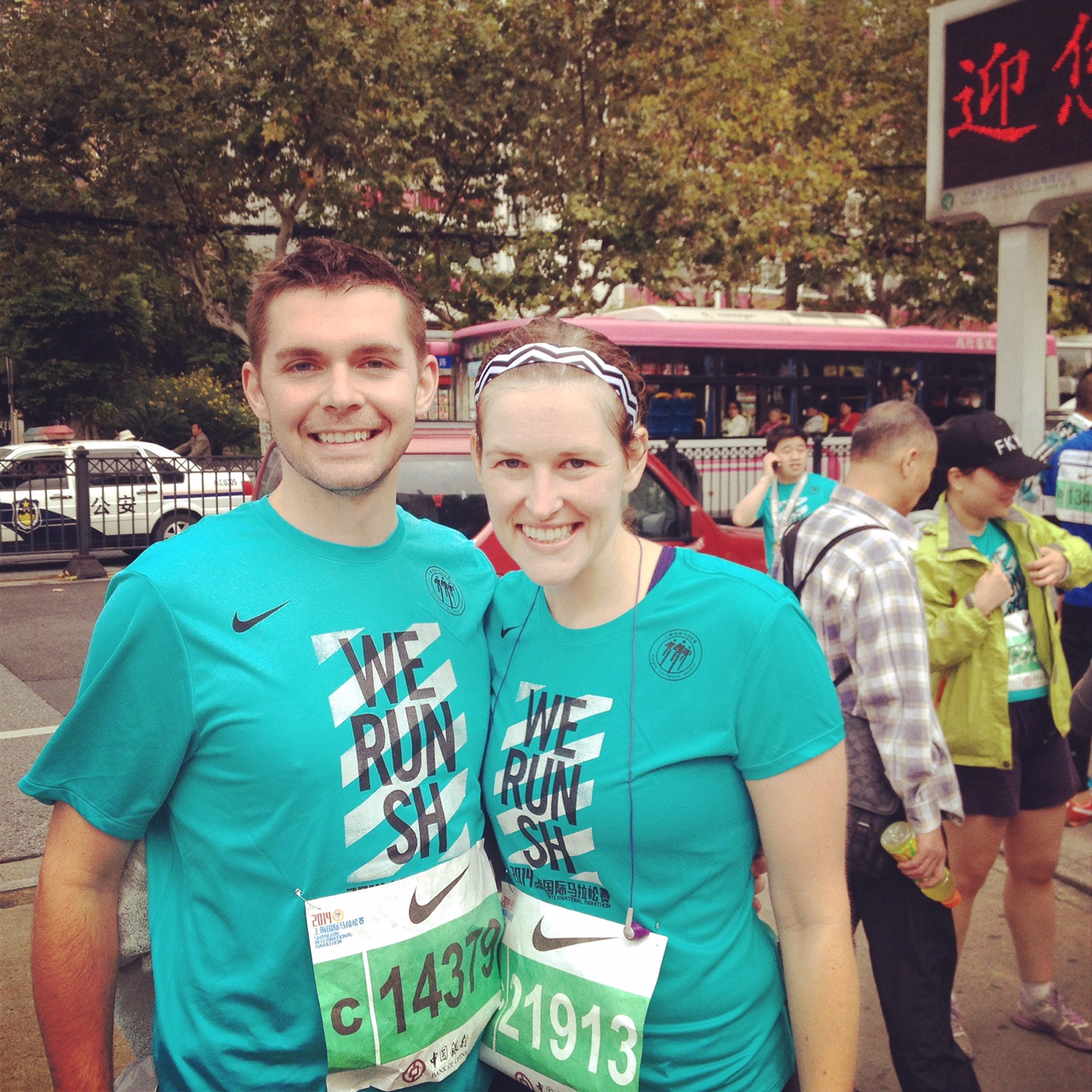
The moment I had been dreading arrived and we said our goodbye to Shanghai by running through it in the Shanghai International Half Marathon. Then we boarded a plane and left this crazy life behind.
IMG_4467.JPG 

December
December was a flurry of settling into our new house, new jobs, and new lives. It was a time to celebrate with family and friends but also a time to reflect back. Not only on 2014, but on the entire three years in China. For the first time in three years, I was stateside for New Year's Eve.


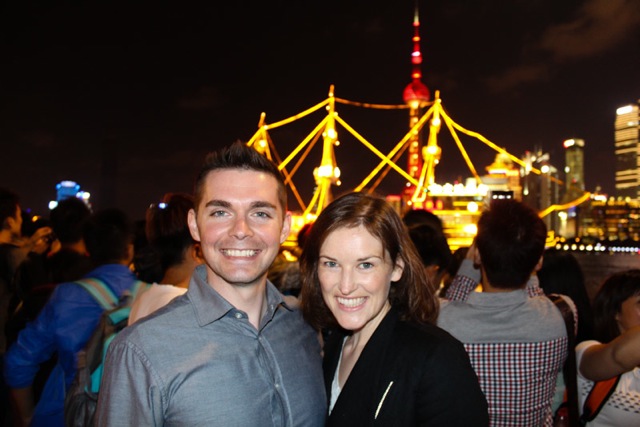
As we begin a new year, I'm excited for what is ahead, the next adventure we undertake. But I'm also sad that this piece of our journey is over. Looking back over the last year, I cannot fathom the things I have done and the places I have been. I can't imagine 2015 will top 2014, but the same could have been said for 2013 I suppose. Let's hope 2015 has a few surprises in store.

Monday, November 3, 2014

A Love Letter

Dear Shanghai,

You and me, it was love at first sight. You offered me new opportunities, a new culture, a new country. I had never lived more than 4 hours from where I grew up and frankly, I was scared out of my mind. But you dazzled me from the moment I stepped off the plane. Your beautiful skyline, your delightful foods, and your endless possibilities.

You've taught me so much over the past three years. Sure, sometimes you made me feel awkward and out of place but you also showed me that I'm stronger than I ever thought possible. You forced me to try new things and embrace new cultures. You even convinced me to eat pork again.

You haven't always treated me the best. There was the case of e.coli and numerous bouts of food poisoning. And sometimes you made it toxic for me to breathe. Other people didn't always understand my fascination with you or my ability to look past your faults. But I thought those flaws gave you character. The spitting, shoving, and public defecation. Those were just your ways of asserting your independence. Your unwavering lack of interest in conforming to others' standards.

And through it all, I loved you. Your weird smells, your bustling streets, your cultural differences. I learned to embrace them all. Heck, I even started to do some of them.

But now Shanghai, it's time to move on. You'll always hold a special place in my heart, one that I didn't know was empty until you came along. I hope this isn't goodbye forever. I hope I come back to you. But life happens and it might be awhile until I see you again. I hope you won't forget me. Because I will never forget you. You've changed me, and it's for the better.

Love,
Kristin

IMG_1682.jpeg

Wednesday, October 15, 2014

Hiking Huangshan or How I Made Myself Sore For 5 Days

When Matthew and I realized that our time left in China was limited, we began scheduling lots of weekend trips. One of those trips was to Yellow Mountain, or Huangshan.

DSC_0803.jpeg

Before heading to Huangshan, I wrongly thought that Yellow Mountain was a single mountain. But in reality, Huangshan refers to an entire mountain range in southern Anhui province.

There are literally hundreds of peaks and thousands of ravines in the Yellow Mountains, 72 of which have been named. Heavenly Capital Peak (1800m), Lotus Flower Peak and Bright Summit (1841m/6040ft) are the three major peaks, all rising more than 1,800 meters (5,900 feet) above sea level. That means that at times, I was standing next to a cliff that dropped down over a mile. For this heights adverse gal, the trip was often harrowing.

DSC_0910.jpeg

We arrived Friday night and spent some time exploring Tangkou, the town situated at the bottom of the mountains. That took about 10 minutes because Tangkou is TINY. With more time than we knew what to do with, we took the suggestion of our hotel and headed to the hot springs to relax for a few hours. Heaven. My only regret is that we visited the hot springs prior to ascending the mountain and not after. But soaking in a pool of hot water scented with wine and coconut milk wasn't a bad way to spend a Friday night.

Early the next morning, we joined the masses in line to take the buses into the park. As Huangshan is a national park, the only way to enter is on foot or via the National Express bus. We arrived at the Yungu Cable Car or Eastern Steps and then rode the cable car to the top. I don't remember much of the 12 minute cable car ride, though Matthew claims it was beautiful. I had my head between my knees and was trying to ignore the Chinese people pointing at the foreign girl who was freaking out. Like I said, I don't do heights.

DSC_0812.jpeg

After nearly meeting my death (I'm sure the cable cars are totally safe, but it FELT like I was going to die at any moment), we spent a few moments getting our bearings and then began the hour long hike to our hotel. Some of the best views on Huangshan are sunrise and set, and staying on the mountain meant that we could enjoy them.

DSC_0826.jpeg

We arrived at our hotel only to find there was a small snafu with our room, as in they didn't have one for us. But we were able to sort things out and received free accommodations in the single sex dorm rooms. Not what we had planned but it just added to the experience. We dropped off our bags and started off on another hike.

DSC_0843.jpeg

We then spent the next five hours going up paths that looked like this:

DSC_0992.jpeg

And down stairs that looked like this:

DSC_1021.jpeg

It was beautiful, thrilling, and at times terrifying. The guard rails were only often knee high and a small stumble could send you tumbling over the side of a mountain. Thankfully, while there were thousands of other tourists with us on the mountains that day, the crowds thinned considerably once we were away from the cable cars. At one point, we hiked for over an hour without seeing another soul.

DSC_1034.jpeg

Our original plan had been to watch the sunset at Fairy Walking Bridge, but once we made our way there, we knew there was no chance we would want to hike back the same way in the dark. We instead headed back up the trail, closer to our hotel and settled in for the show.

DSC_1100.jpeg

We could see the masses of people sitting far away on Bright Top, but enjoyed our empty spot along the trail, even if the sun disappeared behind a mountain before it reached the horizon.

DSC_1139.jpeg

As the darkness began to settle, we headed to our hotel for showers and much needed food. We had managed to skip lunch amid the hotel mixup and were famished after over 6 hours of hiking.

DSC_0836.jpeg

Staying in the hostel section of the hotel meant that we had little choice as to when we awoke the next morning. At exactly 4am, the lights in my room came on and everyone began to prepare for sunrise. We slipped on some thermals (despite wearing shorts during the day) and joined the masses en route to Bright Top. Why isn't there a photo of the sunrise in this post? Because there wasn't much of one. Thick fog and crowds of people meant that we couldn't even get close to seeing the sun come up. Back in our rooms, we showered and prepared for another long day.

DSC_1017.jpeg

We spent the next five hours hiking down the Western Steps of Huangshan. While Saturday had given us blue skies and beautiful views, Sunday proved to be wet and foggy. But it meant the trails were fairly empty and the temperatures were moderate on the way down. Around noon, we arrived at Mercy Light Pavilion and happily jumped on a bus back to Tangkou. As our flight to Shanghai was not until much later that evening, we checked into a hotel for showers and an afternoon nap. After we devoured a bowl of noodles that is.

DSC_0840.jpeg

Afterwards, we realized we had walked over 13 miles/21 km, mostly on stairs, over the two days on the mountains. I consider myself to be in fairly good shape (I teach 2 spin classes and run an average of 15 miles a week, plus I'm about to run my third 1/2 marathon in a year), and I have to tell you, Huangshan was no joke. While I never felt unable to make it, I was sore when we woke up on Sunday. And I was even more sore Monday morning. In fact, I found it hard to go down stairs even on Thursday. But the views? Well, they made everything worth it.

Monday, October 13, 2014

5 Excuses For Being A Bad Blogger

I realize I'm been a bad blogger the last few months. When we first moved to China, I was posting 2-3 times a week. I'm lucky if I manage 2-3 posts a month lately. So why the decrease in content? Here are my totally valid but still lame excuses for why I've been absent.

1) I got a job. I was unemployed the first few months here which meant that I had lots of time to edit photos and write entries. Now I work, a lot, which leaves me with a lot less free time to talk about myself online.

2) I got a life. I also didn't have any friends or hobbies when we moved to China. But now I've got a thriving social circle and have enrolled in numerous classes throughout the city. So when I'm not working, I tend to spend my time with friends and family.

3) I got lazy. Did you know it takes a lot of time to be this witty online? Seriously though, a blog entry usually takes me a few hours to pull together between the photo editing, writing, and coding. Some days, I'd just rather snuggle my cat and watch Scandal on Youku.

4) Things stopped feeling strange. When I first moved to Shanghai, everything was new and exciting. But sometime over the past three years, my life here began to feel normal. I often don't look twice at things that would have been perfect blog fodder back in 2012.

5) I'm leaving China. We always knew our time in Shanghai was finite and we've come to the point where it's time to say goodbye. It's hard to write about a place you are leaving when you aren't quite ready to say goodbye. So instead of staying inside behind a computer screen, I've been out making the memories that I plan to take back with me to the motherland.

You may be wondering what does this mean for D2D? Not much right now. I still have tons of things to tell you about. There are trips (like a weekend in Hong Kong, a climb up Yellow Mountain, and a glorious return to Cambodia)  as well as daily musing (matching t-shirts anyone?) that I still want to share. My computer is loaded with photos just waiting to be uploaded.  So have no fear my friends, I'll still be around for awhile. You didn't think it was that easy to get rid of me, did you?

Tuesday, September 16, 2014

How to: Use Didi Dache

Kristin December 2013: I hate taxi apps. They are ruining my life.

Kristin September 2014: I looooove taxi apps. They are the best thing ever.

Yes, that's right. I'm totally switched sides and am now addicted to using Didi Dache to get around Shanghai. I'd be hanging my head in shame if it weren't for the fact that I'm sniping taxi cabs off the street on a regular basis now.

The main reason I resisted the taxi apps for so long was because my ability to read Chinese characters is pitiful. However, Didi Dache is fairly straight forward and easy to use. You must be able to speak basic Chinese to use the app. Fair warning.

You can use Didi Dache to book taxis in advance or as needed. This tutorial will simply cover booking a taxi for immediate use.

Step 1: Download the app from the app store (available for both Android and iPhones)

You'll need to search for it using the Chinese name so either change your phone's language to Chinese or simply copy and paste the Chinese name (滴滴打车) into your search box.

Step 2: Register your phone

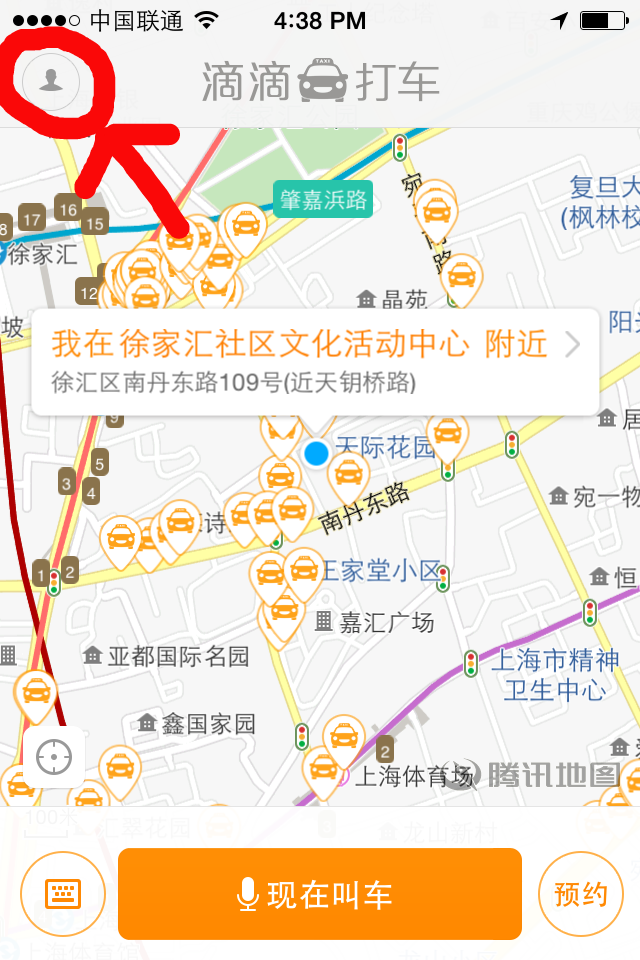
After you download the app, you'll need to sign up for an account. This simply means inputting your phone number the first time you open the app. If it doesn't automatically ask when you open the app, click on the person icon in top left corner.

photo.PNG

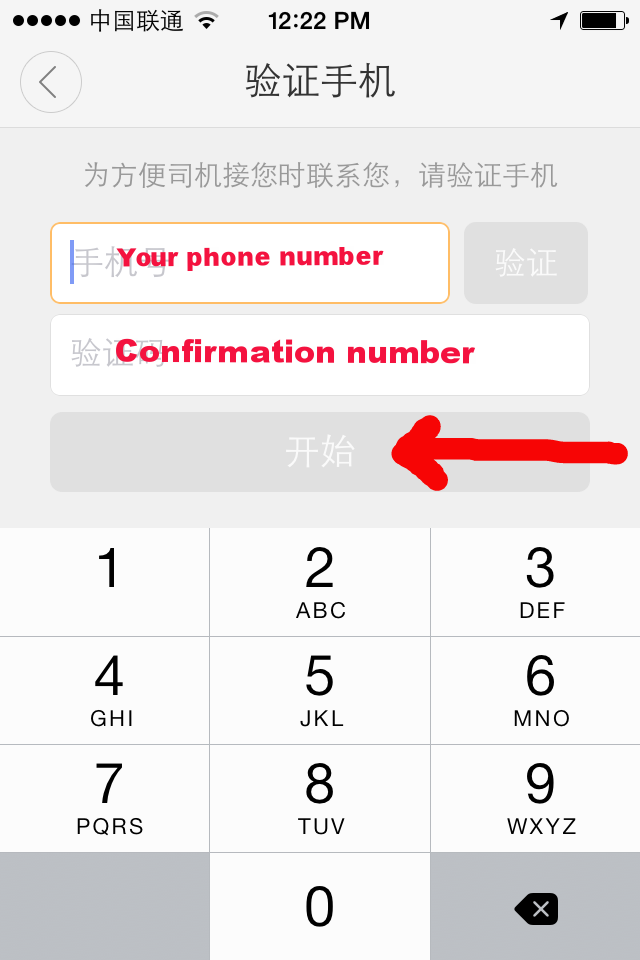
After you enter your phone number, press the button immediately to the right of your number. Within seconds, you'll receive a text with a confirmation number in it. Enter the confirmation number as shown below and then press the button marked 开始 (Begin).

photo.PNG

Step 3: Call a taxi

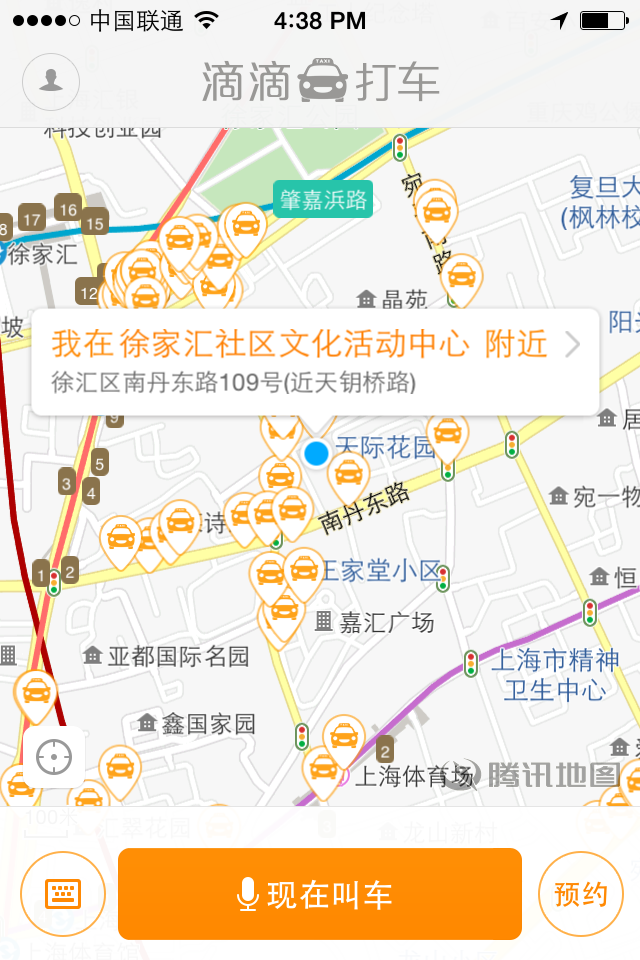
Yes, you are all ready to call your first taxi! The home screen will display a map showing your location (the blue dot) and the location of taxis in the area around you using the same app (the little taxi icons). Your address is technically listed in the middle, after the characters 我在, meaning "I'm at...". However, you can ignore this and state in your message where you are located. Make sure you know your current location as well as where you want to go. And yes, you must say it all in Chinese.

photo.PNG

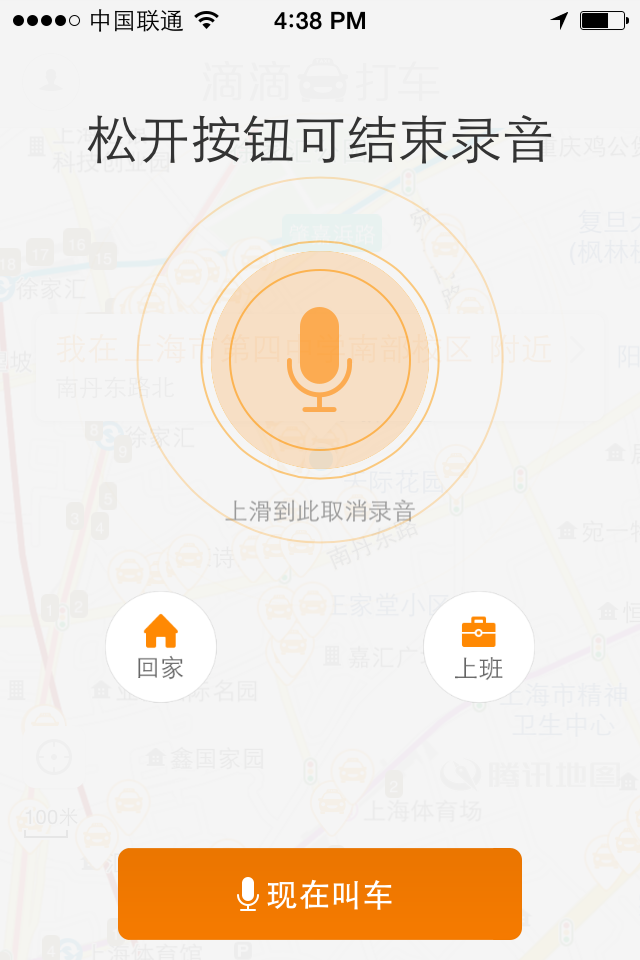
Press and hold the orange button with the microphone icon on it, located at the bottom on your screen.

photo.PNG

The screen above will pop up, recording your voice. This is where you need to state your location (example: WÇ’ zài Huaihai Zhong Lu Sinan Lu) and where you want to go (example: WÇ’ yào qù Yueyang Lu Dongping Lu LùkÇ’u).

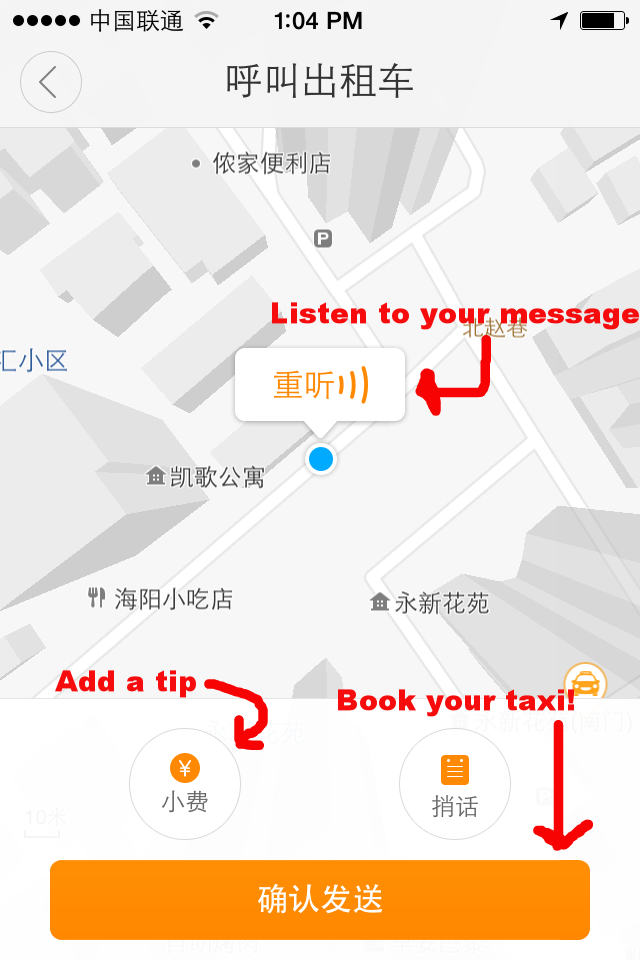
When you are finished, release the microphone button. You will be brought to the following screen. If you press on the blue dot, you can listen to the message you recorded. If happy with it, press the orange button on the bottom on your screen. If you want to record again, press the < button in the top left corner. At this stage, you can also decide to leave a tip if you would like by pressing the ¥ icon. I usually do not.

photo.PNG

Step 4: Wait

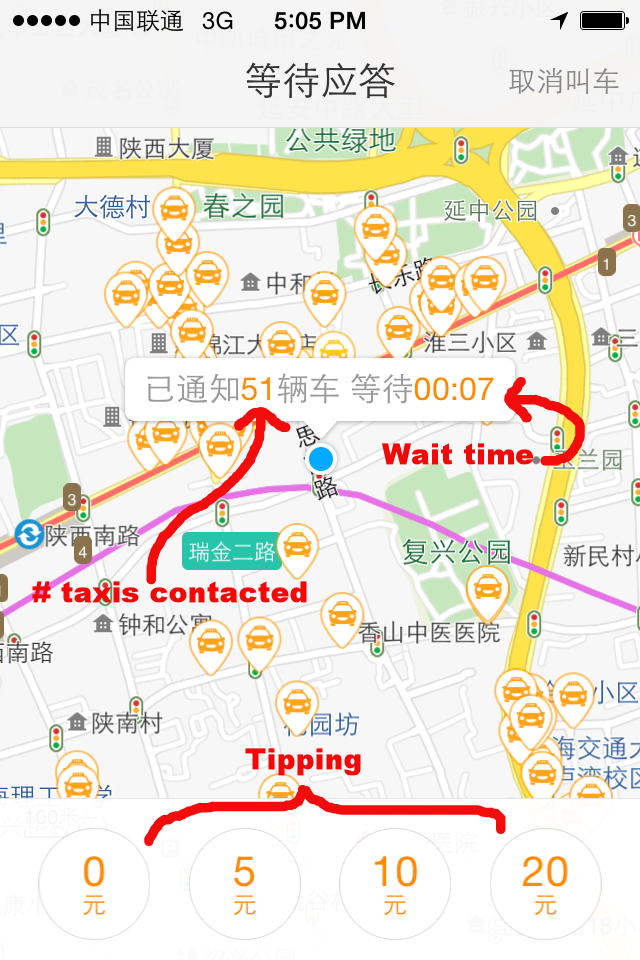
You screen will display how long you have been waiting in addition to the number of taxis that have received your message. If your wait time is long, you have the option of adding a tip again.

image

Step 5: Confirmation!

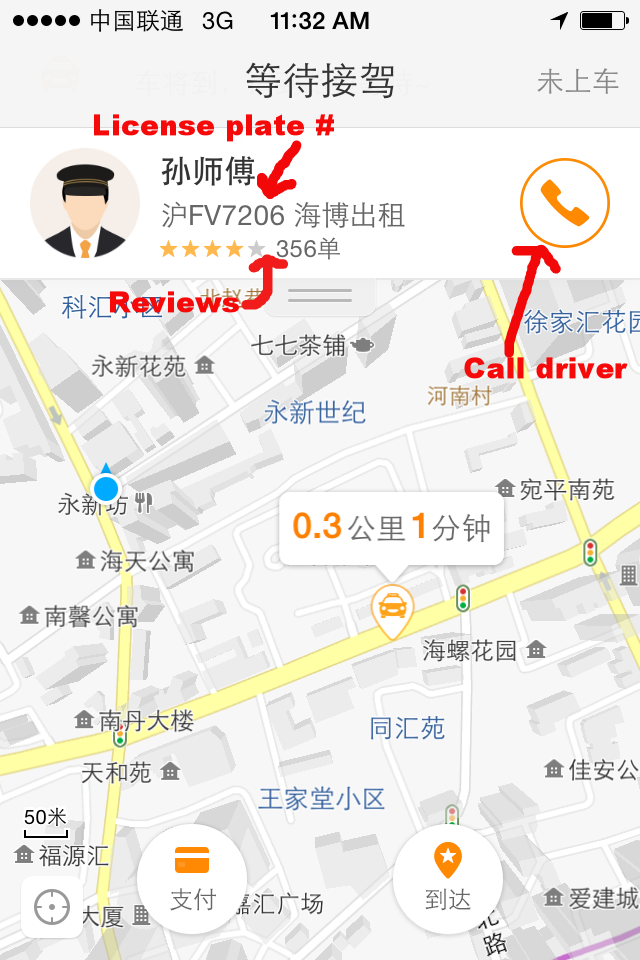
Fairly quickly, you should get a response from a driver. The following screen will pop up, showing you the license plate of the cab, the driver's rating, and a phone icon if you would like to call your driver. 

photo.PNG

Step 6: Jump in your cab

Make sure you are in the location you specified to the driver. You can view the location of your driver on the screen and should look for the license plate number on the car. Your cab driver may call you so keep your phone out. Generally they just want to confirm your location. 

Step 7: Enjoy your ride

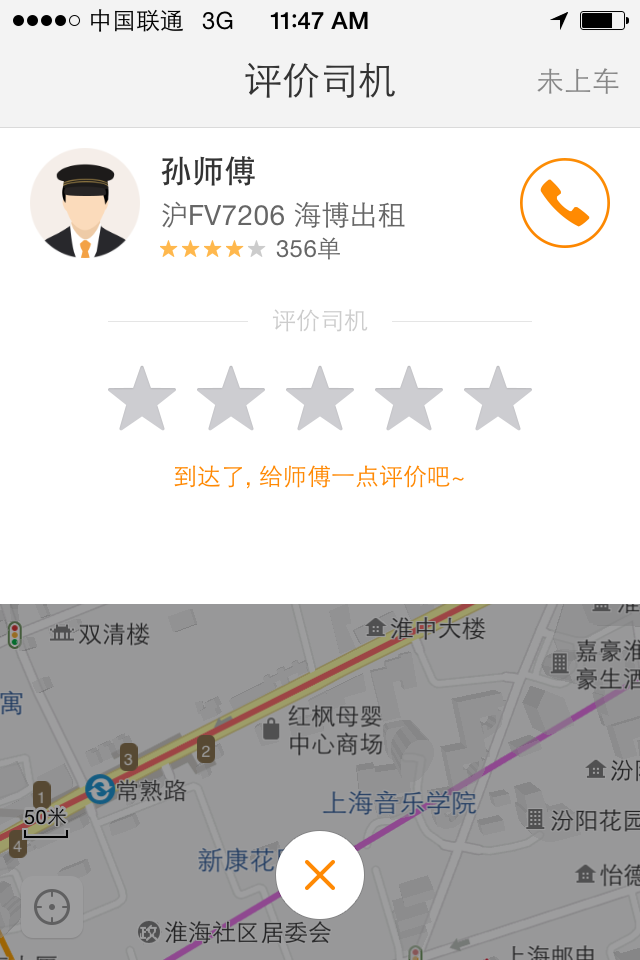
Technically, you can pay for your fare using Didi Dache but that gets more technical than most people want. When you ride ends, simply pay as usual. If you feel like it, leave your driver a review.


photo.PNG

While it might seem complicated at first, using Didi Dache is quite simple. Try out my steps above and let me know if you have an easier time catching taxis in Shanghai.

Monday, July 21, 2014

FAQ: Part 2

Today I present to you the second half of the questions I am most frequently asked. Click here for part one.

Should I bother bringing appliances like my espresso machine, Kitchen Aid Mixer, and food processor?
The short answer: No.

For any of the large kitchen appliances, the transformer would be just as large or larger than the appliance itself. You’d be smarter to buy the items here (check Shanghai Craigslist for secondhand options) or you’ll find yourself adapting to life without it (though I still dream about my Kitchen Aid).

What about curling irons, straighteners, blow dryers?
Again, no. General rule of thumb is that if it heats up or has a motor, you are better off leaving it behind.

Can I drink the tap water?
China’s water sources are amongst the most polluted in the world. A World Bank study found that 13 of the 15 major cities (including Shanghai) in China are affected by severely polluted water.

The most common pollutants in Shanghai drinking water are high levels of chlorine, bacteria, lead and toxic heavy metals. According to PureLiving, Shanghai’s water authorities have publicly acknowledged that tap water potability is compromised largely by secondary contamination from old piping. So no, you should not be drinking the tap water in Shanghai.

Can I drink the water if I boil it?
Nope. When heavy metals are the main concern in your water, boiling it will only concentrate the metals. Boiling water works to kill bacteria, but does nothing for removing heavy metals.

So is the water safe in bathe in? Can I rinse my toothbrush?
Other than the water being a hit hard on your hair and skin, it is absolutely fine to bathe with. And yes, I do rinse my toothbrush with tap water in Shanghai. When traveling to other areas of China however, I err on the side of caution and rise with bottled water.

Where can I find books in English to read?
You can buy Kindle books to download here (though you may need to be on a VPN, I’ve never tried without). Also, does your current library allow you to take out ebooks online? I’ve saved a ton of money by simply “checking out” ebooks via my small, hometown library.

There are also some book stores that stock English titles such as Shanghai Foreign Language Bookstore (390 Fuzhou Lu) or Garden Books (325 Changle Lu). Additionally, there are a number of spots where you can pick up second hand books. I recommend Apleines Mains, a charity which operates a used book sale on Jiangsu Lu or the small Shanghai Book Traders Used Books shop at 36 Shanxi Nan Lu.

How do I watch my favorite American TV show?
You can watch almost any TV show you want here. You can buy cable/satellite packages but to be honest, your best bet is to visit your neighborhood DVD store. As soon as movies are released in theaters, they will have a copy in the store (no, it’s not exactly legal but it’s what everyone does). For many series, you can watch them online via Youku (it’s like Hulu for China). I wrote an entire post on watching TV that you can read here.
Is there a question that I missed? Anything else you are wondering about? Feel free to shoot me an email or leave a question in the comments. Perhaps I'll even cover your question in a part 3 in the future!

Tuesday, July 8, 2014

FAQ: Part 1

I receive quite a lot of emails from people who are looking to move to Shanghai or China. Many of these people ask the same questions so I thought I would put together a little FAQ for those people who are feeling a little too shy to email me (you can, really!).

Where should I live?
The housing situation is a bit tricky. Overall, my advice is to live within a reasonable commute to your office. You will be making this trip twice a day so settle on something that works for you. Matthew works in Minhang, which is about 45 minutes away from where we live. There is NOTHING down there and we decided that we would both be happier living closer to "downtown" and having access to Western amenities and the subway. That being said, it is sometimes frustrating for him when his commute balloons to over 2 hours on a rainy, Friday night.

Other things I would consider is your location to public transportation and basic necessities. We have a Western grocery store in our basement, a wet market within five minutes, and a Chinese grocery around the corner. It still takes me 3 hours to grocery shop some days but when I just need milk, it only takes me 5 minutes to get it. My friend lives 25 minutes away from a Western grocery and when she runs out of something while baking, it pretty much ends the process. My subway stop is only 10 minutes from our apartment. Honestly, this is the one thing that really helped to open Shanghai up for me because I was free to initially explore the city without understanding the language or the geography. I simply jumped on the subway and rode around until I became more comfortable.

Is it better to live in Pudong or Puxi?
There are two sides of the city where you can live, Pudong or Puxi. Pudong is the "newer" side of the city where the new skyscrapers are being built, apartments are larger, and there is more green space. Puxi is "older" but is the area most people consider to be downtown.

Everyone will have an opinion on whether Puxi or Pudong is better. I obviously love Puxi since this is where we live, but both sides have merit. I tend to go to bars and restaurants on this side of the river, but there are certainly many in Pudong as well. If you live close to a subway stop, it's not hard to take the train to the other side (taxis aren't as willing to cross the river but will do it when needed). Many families tend to live in Pudong as you have more access to green space and more of the international schools are located there, but you will no doubt find a community no matter where you end up.

Is living in Shanghai expensive? Will xxx amount be enough for housing?
I would say Shanghai is comparable to any big city. As for costs, the answer is that is varies. Anything from 12,000-25,000 rmb is reasonable to pay for a 2-3 bedroom apartment, depending on amenities and location. You'll pay more for amenities like an English speaking receptionist, an oven, or a compound with a pool. Just remember that when negotiating, you can have other things thrown in. For instance, you may want to insist they install an oven (most apartments won't have one), pay your gym membership, or cover your ayi costs. Don't be afraid to ask for what you want.

Food costs also vary. If you want to eat foreign, imported foods, your grocery bill is going to cost more than it does now. If you buy and eat local ingredients, your bills will go down. We buy a blend of local and imported foods so I would say our grocery costs have gone down but our restaurant costs have significantly increased. A meal at a local Chinese restaurant for two people should cost less than 100rmb while you will pay at least double that at a western restaurant.

Is public transport efficient? 
The most efficient I have ever used. Everything is well marked in English on the metro and it's cheap! I use it daily to commute. I am also a fan of using the public bus system as well.

Did you experience a major culture shock when moving there? 
Of course! China is about as far from my previous life as I could have imagined. But as long as you come in with a positive attitude and open mind, you will do fine here. You have to accept that things are simply the way they are, and not try to change them. Sure, the kid peeing on the street is gross but you just have to learn to adapt and not step in puddles!

Is the air consistently bad? Or are there enough good days to still be able to go outside?
If you have a iPhone, you should download the CN Air Quality App. It allows you to see what the air quality is like. The US Consulate also has a Twitter account which they update with information about the air. Most of the time it's ok (today is 78) but it can get high (over 300, I stay inside as much as possible). We bought an air purifier for our apartment and I hope that helps! And yes, I do run outside on the street sometimes and we bike quite often, we just make sure to check the air quality first.

Tuesday, July 1, 2014

How to: Ride the Bus

I love the bus system in Shanghai. It's easy, it's convenient, and it costly a measly 2 rmb (that's .32 US cents) to ride.


To be honest, it took me awhile to have the confidence to ride the bus. When we first moved here, I stuck to the metro system because 1) I didn't have to talk to anyone and 2) signs were clearly marked in English. But once I realized how simple the bus system was, my love affair with another form of public transportation began.

Shanghai's public bus system is quite comprehensive with more than 1,100 lines that run all over the city. Stops are generally located near intersections, with each stop named after the closest street intersecting the road the bus is running on. The stops are generally indicated with a black post with number signs on it. There is a number sign for each line the bus serves.


Each sign shows the route number, the bus stop name and the next stop, all in Chinese. But that doesn't mean you can't still figure it out. You just have to plan your trip in advance.

Determine Your Route
Personally, I use Google Maps to plan out my trip. You can also use Baidu Maps but it's a little trickier as it is in Chinese.

You start by simply typing in the route you want to take. You can use either landmarks or specific addresses. Then you select the public transportation option, indicated by the bus icon circled below.


Select "Get Directions" and you are given options for public transportation that will help you get from point A to B.


You will notice that numerous routes and methods are given to you. I generally try to take the quickest route, but am willing to deviate from my plan if one of the other buses comes along first. 


If you happen to know which buses pass by the stop you want to take (as indicated on the sign posts), you can also check out this Shanghai Bus Route website, which offers English route information for each specific bus.

Paying Your Fare
Board the bus through the front door and put the bus fare into a money box beside the driver or scan your metrocard. Drivers will not make change so ensure you have the exact amount before boarding the bus.

Ride Like A Regular
You will see several yellow seats on each bus. They are reserved for senior citizens, small children, the sick, disabled and pregnant women. You are welcome to sit in them, but remember to give your seat up if one of the above mentioned is left standing.


Air-conditioned buses can be identified by an snowflake symbol in front of the bus number. In the summer, you only want to get on an air conditioned bus.


Getting Off
Most of the buses announce in both Chinese and English and many have a screen displaying the stops at the front of the bus. Simply listen/look for your stop and exit from the backdoor when you arrive at your destination.

Overall, the bus system in Shanghai is fairly simple. Challenge yourself to step outside your comfort zone and ride the bus the next time you are meeting friends for dinner. Or when your walk to the nearest metro line suddenly feels entirely too long.

Monday, June 2, 2014

How Local Are You?

Matthew has been teasing my lately that I have become very Chinese. So when I saw this quiz on Urban Family, I thought I would test out his theory. Turns out, I have been acting pretty local. I suppose it's time for a trip back to the States.

How Local Are You?

Questions to test just how much influence China has had on you.

1. Your family mostly eats food from… 
a) the local wet market
b) Lianhua or Carrefour
c) City Shop or Sherpa’s

2. Your ayi brings a live duck to you from her village after Chinese New Year, you:
a) help her kill it and cook it
b) watch her cook it from the living room
c) freak out, it’s bird flu season and there’s a duck in your house!

3. The strangest place in Shanghai you’ve changed a diaper is…
a) what diaper? My child wears split pants.
b) in the back of a moving taxi, since my child isn’t in a car seat
c) in the grass next to the playground at the park

4. When you’re out with your children and one of them shouts, “I need to pee!” with no restroom in sight, you…
a) just let them go on the side of the street
b) look for the nearest tree
c) make them hold it until you find the nearest restroom

5. Your kitchen consists of…
a) a toaster
b) a toaster oven
c) a full-size oven

6. It’s Saturday morning, you’re still in your pajamas, there’s nothing to eat for breakfast and you decide to go out and get something, you:
a) head straight out the door, not bothering to change
b) leave your pajamas on, but wear a coat over
c) change your clothes

7. For special occasions, you’re most likely to give:
a) red envelope with cash
b) gift bag with present you bought on Taobao
c) a store-bought present wrapped and tied with a bow

8. When a Chinese grandma comments that your baby isn’t dressed warmly enough, you:
a) agree with her
b) debate with her
c) smile and walk away

9. At the dinner table, your family is most likely to put:
a) soy sauce on everything
b) chili sauce on everything
c) ketchup on everything

10. Your child was potty-trained at what age?
a) 18 months
b) 3 years
c) 4 years

11. When you cross the street you:
a) cross with authority; those drivers will avoid you if they know what’s good for them
b) cross when the people around you start to cross
c) wait for the light

12. When someone is talking with you and you want to reply in the affirmative, you:
a) make various “mm” noises, then add, "due, due, due"
b) nod
c) nod and say, “Yes, I agree”

13. When out at dinner with a group of friends and the check arrives, you:
a) insist on paying
b) break out the calculator
c) say you’ll expense it and ask for the fapiao

Give yourself 3 points for every (a) answer, 2 points for every (b) answer and 1 point for every (c) answer.

32-39 points = You’re very local. You’ve assimilated nicely.
26-32 points = Your local friends would be proud, but you still have a way to go.
Less than 20 points = Fresh off the boat. You’re living like you never left home.


Friday, May 30, 2014

A Farewell to Friends

There are many wonderful things about being an expat. The chance to live in another country and experience a different culture. The traveling. The food. Oh my god, THE FOOD.

So what isn't so great about being an expat? The goodbyes.

You see, many of us sign on as expats for just a few years. Contracts vary but the vast majority of expats spend two to five years in one place. Sure, there are a few people who are here longer, but many of us simply come for a quick and rather intense tour. Which means that people are constantly leaving and we are repeatedly being forced to say goodbye.

In the next few weeks, I am going to say goodbye to at least 15 people who have been my friends, my support, and my family over the last two and a half years. We've said farewell to others during this time, but this summer's exodus seems to sting the most. Part of it is the sheer number of people leaving. But it's also who is leaving this time around.

There's J, who was my first friend in Shanghai. We moved here within weeks of each other and together, we found the strength to step outside our comfort zones and explore the city. Her family became mine, her daughter like another niece to me. I'm having trouble imagining what Shanghai will be like without them.


L and A, a British couple who not only taught me some bloody good slang, but gifted me with a secret family recipe for Yorkshire Pudding. My thighs will never be the same.


The G family, whose adorable kids make me want to have my own while simultaneously explaining the necessity for a large wine collection.


And then there is L and R, friends who reached out to us through this blog, and who it felt like we had known for years. Their love of good food, stiff drinks, and Ghirardelli brownies made them some of our favorite dining companions.


We've all promised to visit, to keep in touch via Skype and email. And I hope we do. But life is busy and things will change. I know that. Yet I'll forever be bonded to these people. Years from now, I'm sure I will remember the way the Bund looked at night and the taste of xiaolongbao. But the clearest memories even now are the Sunday night dinners spent with friends, the glasses of wine we shared, and the constant laughter that has dominated my life here.

So goodbye my friends. Safe travels to your new homes and best of luck on your next adventures. But most of all, thank you for the memories.

Friday, April 4, 2014

How to: Watch Foreign TV in China

I enjoy watching TV. Probably a little too much. The hours (and brain cells) I lost while watching The Real Housewives series will never come back. Which is why I was worried about how I would be able to watch my favorite TV shows from abroad. 

So what are your options if you want to watch American or other foreign TV shows? If you live in a large expat residential compound, you may have access to a few international channels but will be mostly limited to Chinese TV shows. But like most things in China, there are a few hacks that will allow you to get around this obstacle and resume your couch potato ways.

Use your VPN to Stream Online
A VPN will replace your actual IP address with that of the VPN's, making it appear to websites like Hulu and Netflix that you are physically located within the United States (if you pick a US spot for your VPN that is). Just turn on your VPN and you instantly have access to these websites as well as those of all the major TV networks and their online videos. The downside to this solution is that China has notoriously slow internet connections for non-Chinese websites. Video streaming is often slow with frequent stops for buffering. While convenient, this isn't the best way to watch the newest episode of House of Cards.

Stream Online Through Chinese Websites
This is my preferred method of watching TV. You simply visit one of the Chinese website like Youku, PPTV, or Sohu with your regular internet connection (not on your VPN) and browse away. The sites can be a little intimidating if your Chinese isn’t great but many shows can be searched by their English names (or you can download Google Chrome which will automatically translate the pages for you). Because the servers for these sites are located in China, streaming is quick and often without any buffering needed. Each of the sites offers slightly different TV shows, so it is worth bookmarking each of them.

Buy from the DVD Store
Pretty much every recent movie and TV series is available at your local DVD stores. Yes, you will need to wait until the end of the season to watch the whole series, but frankly, I prefer this method. Then I can speed my way through an entire season of Game of Thrones in 3 days and not have to wait weeks to find out what happens next.

Enhanced Cable or Satellite 
Enhanced cable is handled right through your regular cable TV provider and will usually offer non-Mainland Chinese shows such as HBO, HK MTV, National Geographic, and a variety of news channels such as CNN, BBC, MSNBC.

I do not have personal experience with this, however, I have heard that you can obtain a satellite dish and a hacked box from a local provider. Usually you buy the dish and the box for a couple thousand RMB and then have access to thousands of TV stations. Sometimes a small annual online subscription enables automatic updates to the hacked box.

Slingbox
Another popular option is Slingbox. Slingbox is a device that connects to your TV and streams the signal to another machine in real time, anywhere in the world. Obviously this is only a solution if you maintain a house with a cable/satellite service back home, or if you have a friend or family member that wouldn’t mind you using theirs.

With all these TV watching options, you have no reason not to be well versed in the latest happenings at Downton Abbey.

DISCLAIMER: I recognize that some of the methods above may be construed as advocating media piracy. To be clear in my position on this, I view the items above simply as tools by which to obtain various television shows and movies. It is your choice whether you want to utilize these methods, I am simply providing you with information regarding how some people access foreign media in China.

Tuesday, March 25, 2014

In my DNA

I come from a family of travelers. My grandparents have circled the globe. I have an uncle who completed his graduate work in London and a cousin who worked on a baboon refuge in Africa. But I thought for sure I was the first of my family to live in Asia.

Wrong.

A few months after moving here, my aunt sent me an email. Since her retirement, she has spent a great deal of time working on our family's genealogy. And guess what she found during her research?

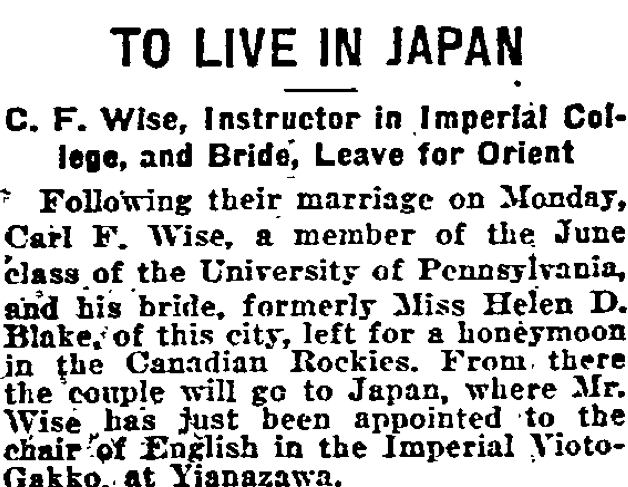
My great grand aunt just so happened to live in Japan. In 1921.

1921.07.11 - Helen Blake Wise

The glamorous Helen Blake moved to Japan with her new husband immediately following their honeymoon. Her husband was hired as an English teacher at the Imperial College and Helen came along as a trailing spouse. This sounds oddly familiar.

My aunt was even able to find this article clipping from the local newspaper detailing their travel plans.

Screen Shot 2014-03-25 at 2.48.42 PM

As if this information wasn't enough to blow my mind, my aunt also uncovered an application for an emergency passport, filed at the US Consulate in Japan. The reason they desired this passport? Sight-seeing in CHINA.


It's entirely likely that my great grand aunt not only visited Shanghai, but walked along some of the same streets that I do today. 

I guess being an expat was in my DNA.

Friday, March 21, 2014

The Friends Every Expat Should Have

Friends are important at any stage of life. As an expat, your friends become the family you don't have nearby and your constant support system. But picking who to spend your time with is also important. Yes, you should seek out people who have similar interests as you but you should also look for those who bring a unique set of skills to your friendship. In order to best enjoy the time you have in your new country, I suggest you seek out each of the following people.

The Adventurous One
When you first move to a new place, it can be overwhelming. The places, smells, and perhaps even the language are all new and intimidating. This is why it is helpful to meet someone who isn't held back by insecurities. My first friend in Shanghai, J, was great at forcing me to go new places. Sure, riding the metro to a new neighborhood seems rudimentary now, but I was terrified the first time she suggested we meet for lunch. She also taught me that it was okay not to understand what the waiter was saying to us or vice versa. She happily pointed at other tables and used hand gestures to order. She fearlessness made me feel more comfortable doing the same. Even now, she's always game to try new restaurants or wander down unmarked alleyways.

The Social Planner
This person is great to have around. They will organize nights out at KTV as well as make sure you have reservations for Thanksgiving dinner. They always know what is going on around the city and are able to constantly introduce you to new people. My friend C can organize a raging party with 15 minutes notice and she is guaranteed to always be on time for social events. Your Social Planner will make sure you never find yourself bored or alone.

The Local
This one can be a bit tricky for many expats at first. Different customs, traditions, and languages often hamper the ability to cultivate this friendship early on. But once you are able to break through those barriers, you'll be happy you made the effect. The Local can help you with everyone from translating text messages to serving as your point of contact in an emergency. They will give you tips on the best local restaurants and can tell someone off for you in their native tongue. And no, your ayi doesn't count, even if she can do all of the things I've just mentioned.

The Newbie
Yes, you read the correctly. Every expat should be friends with someone new to the country they are living in. Why? First, they are bound to think you are the smartest person ever. You know tricks like how to pay your bills at Family Mart and where to buy recharge cards for your phone. You can introduce them to your favorite local haunts and they tend to think your language skills are amazing (even when they aren't). But more importantly, you have the chance to see your city through their eyes. Fresh eyes. They aren't jaded yet by the surroundings and see each day as a new adventure. The Newbie will remind you of all the things you love about your city and help renew that passion you felt when first starting your own adventure.

Now, I'm not saying you need to go out and find a new group of friends. You likely already know someone who represents each of these categories. Use their innate characteristics to your advantage. Exploit their talents. You'll be glad you did.

Need some tips for meeting people in Shanghai? Check out our post on how to make friends.

Friday, March 14, 2014

Accidental Tai Tai

When Matthew and I decided to move to China, it was a joint decision. We said yes fairly quickly to the opportunity, but then spent the next few months figuring out the details. One of those details was my job.
A photo from our house hunting trip over 2 years ago

I have worked since I was 14 years old. I held jobs throughout high school, college, and graduate school. I've been a thrifty saver all my life and have always had a bank account, well padded with hard earned cash. I remember my mother instilling in me from a young age that I needed to be able to take care of myself and that I should never rely on a man or anyone else for money.

Which is why moving to China was a challenge for me. Matthew and I looked at our finances before moving and discovered that thanks to our savings, the profit from selling our house, and the benefits that came along with an expat package, I didn't have to work. Financially, we were fine.

The problem is that I wasn't. Our first indication that unemployment would be a challenge for me came at the rental car agency a few days before our departure. I had quit my job two weeks prior and was filling out the paperwork for the car we would take to the airport. The kind teenager behind the counter innocently asked, "Can you please provide your employer and position title on this form?" I blankly stared at him for a moment before writing HOUSEWIFE across the paper. I then promptly burst into tears.

The few first months in Shanghai were wonderful. I embraced my retirement, as we came to call it, and enjoyed leisurely lunches with new friends, explored the city, practiced my Chinese, and spent slothful afternoons snuggling my cat in bed. I was happy.

Life as a tai tai

But after a few months, that same unsettling feeling from the rental agency came back to me. Only this time it wasn't quickly squashed by an opportunity to ride first class on an international flight. The feeling was persistent and I found myself having an identity crisis. All the titles I held back in the states (worker, advisor, colleague) and the ones I still held (daughter, sister, friend) seemed as distant as the people who used them in reference to me.

During this time, I began to be addressed by a new title: tai tai. While this word is used throughout China to mean Mrs., in Shanghai it takes on a particular meaning. The assumption here is that a tai tai is a woman who doesn't work and spends her days shopping, getting massages, and generally emptying her husband's bank account. I quickly learned that mentioning I was a Shanghai tai tai would earn me a discount at most stores, because sellers assumed that meant I would be back often for more shopping.

Further complicating the matter was the fact that joint bank accounts are uncommon in China and our bank refused to give us two debit cards for Matthew's account. This meant that not only was I not contributing to our family income, I had to ask my husband for money. As a woman who has always seen herself as independent, having my husband give me an allowance was a tough pill to swallow.

After a year, I found a job. I had spent a few months researching positions but wanted to ensure I found something that made me feel valuable and where I would make a contribution. I contacted a small company that specialized in the field in which I hold my master's degree and was hired shortly after. I also took up a part time job as a cycling instructor at a local spin studio.


Overnight, I felt a renewed sense of self. Suddenly, people were once again looking to me for guidance and treating me as an expert in my field. Suddenly, I was needed.

When you make the sacrifice to allow your partner's career to grow at the detriment of your own, you can find yourself struggling to maintain your identify and sense of self. I didn't know how to be a housewife and frankly I wasn't very good at it (ask Matthew about my ironing skills).

My journey back to the working world isn't for everyone. Many people live extremely fulfilling lives here and abroad as housewives/husbands. But it wasn't the right path for me. I need the stimulation and challenge of a 9-5, even if it does interfere with my social life.

And yes, I still use my tai tai discount when shopping. Only now, it's my money that I spend.
Related Posts Plugin for WordPress, Blogger...